What Does an ASHP Sound Like? Understanding Air Source Heat Pump Noise
If you’re considering installing an ASHP (Air Source Heat Pump), one of the most common questions homeowners ask is: How noisy is it? The good news is that modern ASHP systems are designed to operate quietly and efficiently, making them suitable for most residential settings.
The Typical Sound of an ASHP
Instead of loud mechanical noise, most homeowners describe the sound of an ASHP as:
A low humming sound
A soft fan noise
Similar to the sound of an outdoor air conditioning unit
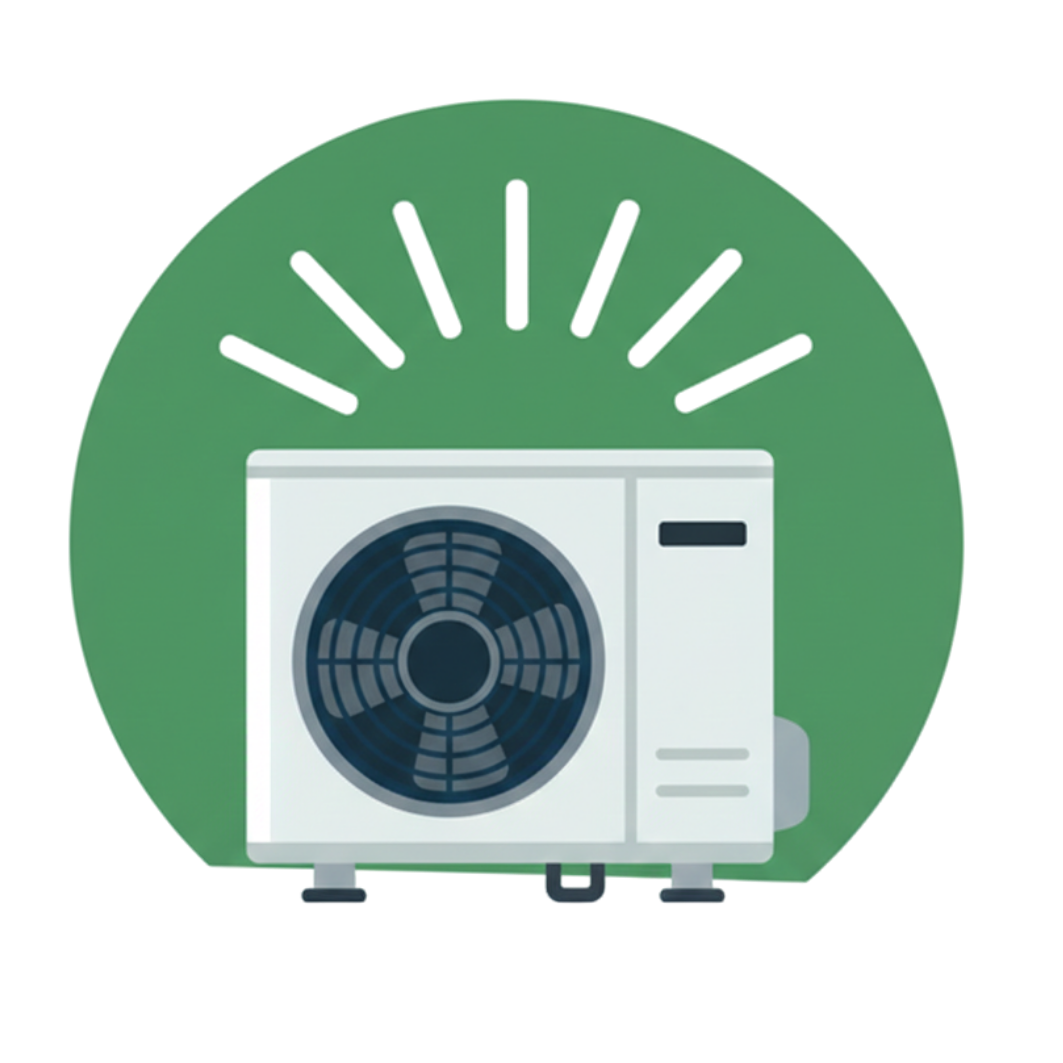
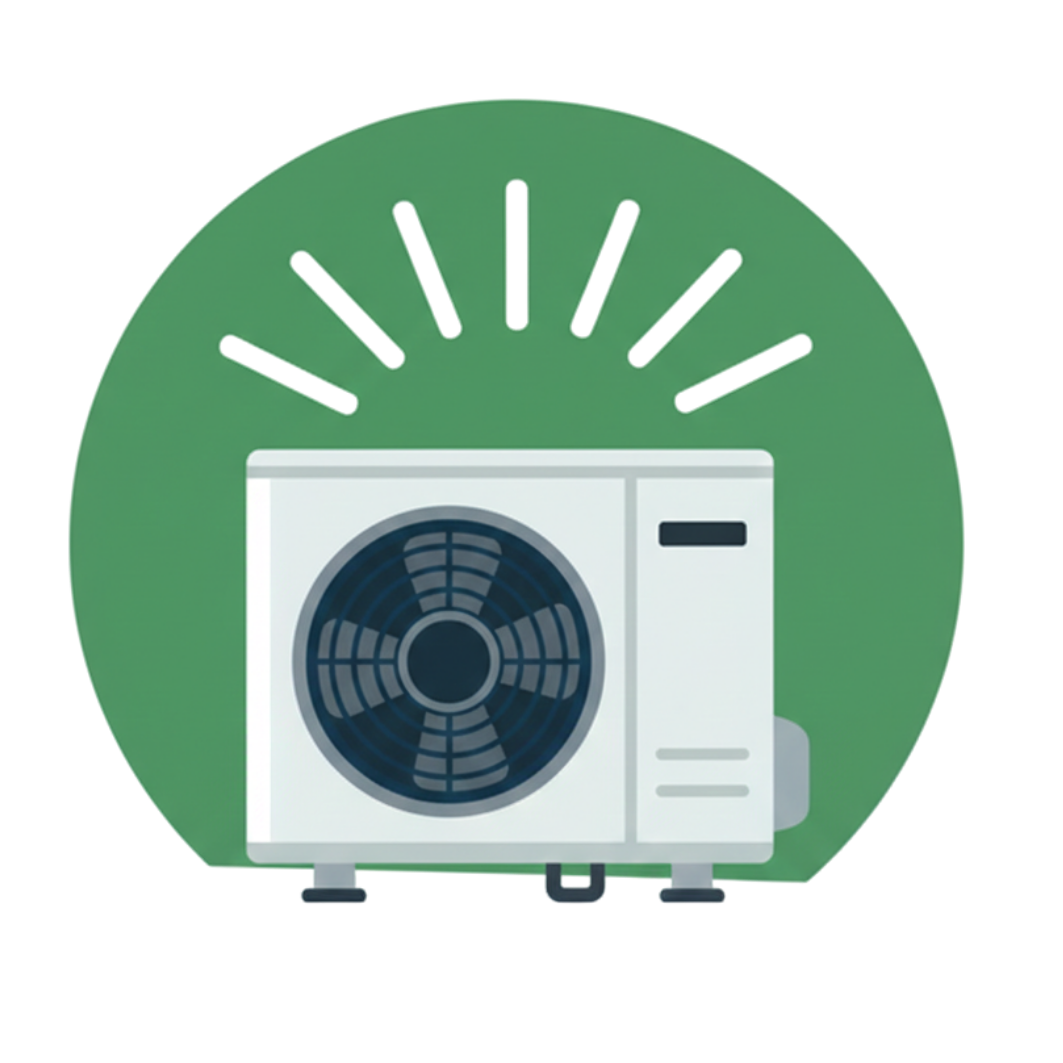
These sounds come from two main components: the fan, which pulls air across the heat exchanger, and the compressor, which circulates refrigerant through the system. Both are engineered to run smoothly and quietly.
In most cases, the sound level of an ASHP ranges between 40–60 decibels, which is comparable to normal conversation or background noise in a quiet office. This means the unit typically blends into everyday outdoor sounds rather than standing out as a disturbance.
Is the Noise Noticeable Inside the Home?
When an ASHP is installed correctly, the noise is usually barely noticeable from inside the home. Professional installers carefully position the outdoor unit to minimise sound transmission through walls or windows. In addition, modern units often include noise-reduction technology, such as insulated compressor housings and variable-speed fans.
For most households, the sound becomes part of the background environment, much like distant traffic or wind moving through trees.
Factors That Affect ASHP Noise
Although ASHP systems are generally quiet, several factors can influence how noticeable the sound is:
1. Installation location
Placing the unit away from bedroom windows, neighbouring properties, or enclosed spaces can significantly reduce perceived noise.
2. Unit quality
High-quality ASHP models tend to include better sound insulation and quieter fan designs.
3. Maintenance
Regular servicing ensures the fan, compressor, and internal components operate smoothly without rattling or vibration.
4. Mounting and vibration control
Proper mounting brackets or anti-vibration pads can help prevent sound from transferring through walls or foundations.
How ASHP Noise Compares to Other Heating Systems
Compared to many traditional heating systems, an ASHP is relatively quiet. Oil boilers, older HVAC units, and some traditional heating equipment can produce louder operational sounds indoors. Since the main components of an ASHP are outside the home, indoor living spaces often remain even quieter.
Final Thoughts
Overall, the sound of an ASHP is typically described as a gentle background hum combined with a soft fan noise—similar to an outdoor air conditioning unit. With proper installation and regular maintenance, the system should operate quietly enough that most homeowners hardly notice it.
For anyone considering switching to renewable heating, understanding the noise level of an ASHP can provide peace of mind while highlighting one more benefit of this energy-efficient technology.
Ready to Make the Switch to an ASHP?
If you’re considering installing an Air Source Heat Pump (ASHP) and want to learn more about how it works, the costs involved, and the potential savings, our team is here to help.
Contact us today for expert advice, a personalised assessment of your home, and to find out if you qualify for a government grant that could significantly reduce the cost of your ASHP installation.
Make the move toward a quieter, energy-efficient heating solution get in touch with our team today to get started.