How Air Source Heat Pumps Are Installed
How Air Source Heat Pumps Are Installed: A Step-by-Step Guide for UK Homeowners
If you’re looking for information on how air source heat pumps are installed, you’re likely planning to upgrade your home heating and are wondering about the process, costs, and potential government support. With rising energy bills and schemes like the 2026 Warm Homes Grant, understanding the installation process is essential for homeowners considering this efficient and eco-friendly heating solution.
Step 1: Initial Assessment and Survey
The first step in air source heat pump installation is a professional survey. A qualified installer will assess your home to determine:
The right size and type of heat pump for your property
The location for the outdoor unit and internal components
Your home’s insulation and heating system compatibility
This assessment ensures the system operates efficiently and delivers maximum energy savings. It also identifies if your property qualifies for government grants like the 2026 Warm Homes Grant, which can reduce installation costs significantly.
Step 2: Preparing the Installation Site
Once the survey is complete, the installer will prepare the site. This includes:
Choosing a suitable location for the outdoor unit with good airflow
Installing a secure base or bracket for the outdoor unit
Planning the route for pipework and electrical connections into your home
Proper planning at this stage ensures that the heat pump runs quietly, efficiently, and meets safety regulations.
Step 3: Installing the Heat Pump System
During the installation:
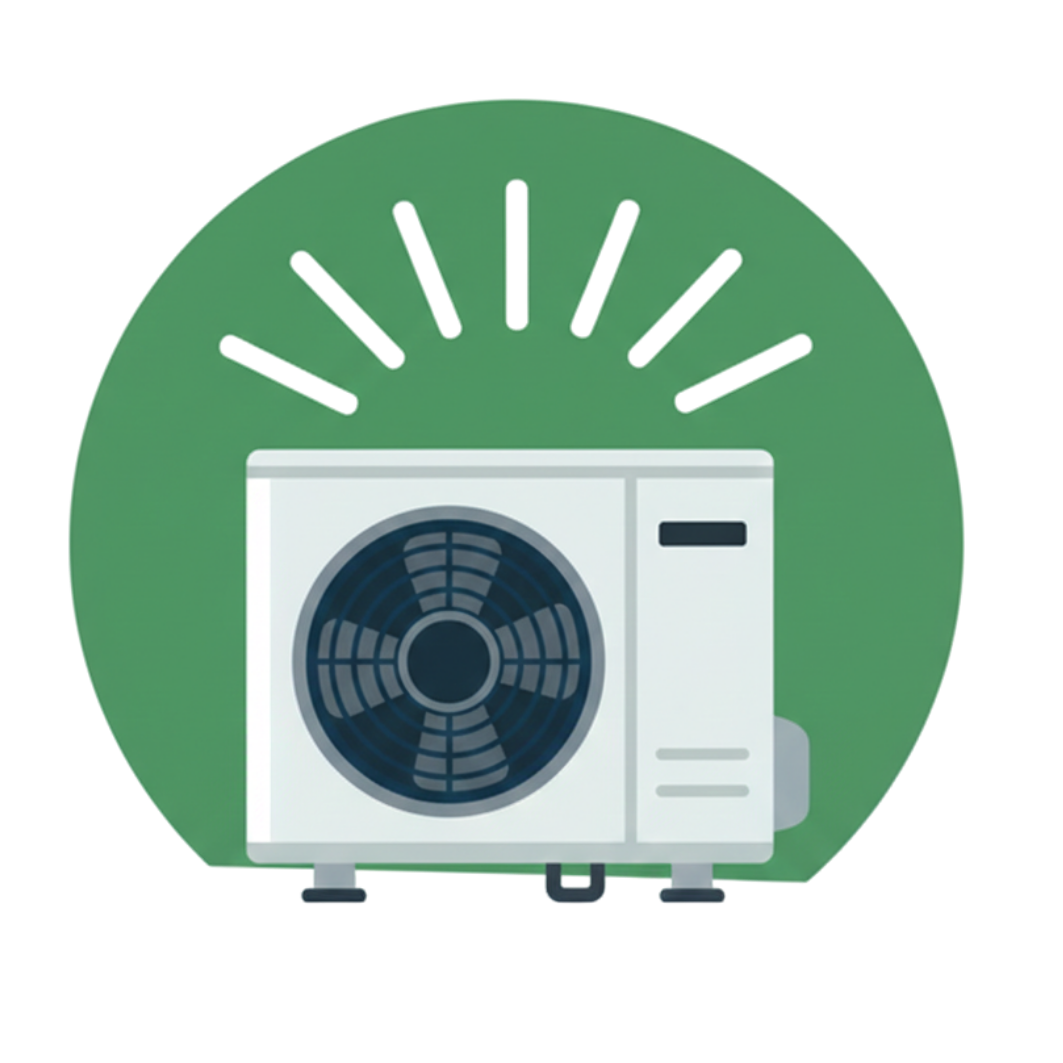
The outdoor unit is positioned and connected to refrigerant pipes
The indoor unit (or buffer tank) is installed, linking to radiators, underfloor heating, or hot water systems
Electrical connections are made to integrate the heat pump with your home’s power supply
Smart controls and thermostats are installed to optimise energy use
The whole process usually takes 1–3 days, depending on your property size and complexity of the system.
Step 4: Testing and Commissioning
After installation, the heat pump is tested to ensure it:
Heats your home and water effectively
Operates quietly and efficiently
Integrates with any smart heating controls
Your installer will also provide guidance on maintenance schedules, helping to prolong the system’s lifespan and maintain efficiency.
Government Grants Can Reduce Installation Costs
Many UK homeowners ask, “are air source heat pumps worth it?” Thanks to government incentives like the 2026 Warm Homes Grant, installation costs can be reduced, making renewable heating systems more affordable while lowering energy bills.
Ready to Install an Air Source Heat Pump?
If you want to know how air source heat pumps are installed in your home and whether you qualify for the 2026 Warm Homes Grant, contact us today. Our team can provide a personalised survey, guide you through the grant application, and ensure your home is ready for efficient, low-carbon heating.